


Cooperation in
International
Waters in
Africa

Annual Report 2025
Water Resources: The Lifeblood of Sub-Saharan Africa’s Resilience and Growth
Water is the foundation of health, food security, jobs, and economic prosperity. In Sub-Saharan Africa (SSA), water is both a source of risk and opportunity, especially as the region faces mounting challenges from climate change, fragile institutions, and conflict. The World Bank’s Cooperation in International Waters in Africa (CIWA) program stands at the forefront of efforts to turn these challenges into shared benefits, supporting countries and communities to cooperate over their transboundary rivers, lakes, and aquifers.
million people who benefit from investments influenced by CIWA
billion in investments to manage watersheds, develop groundwater, build storage, etc.
CIWA IN FY25
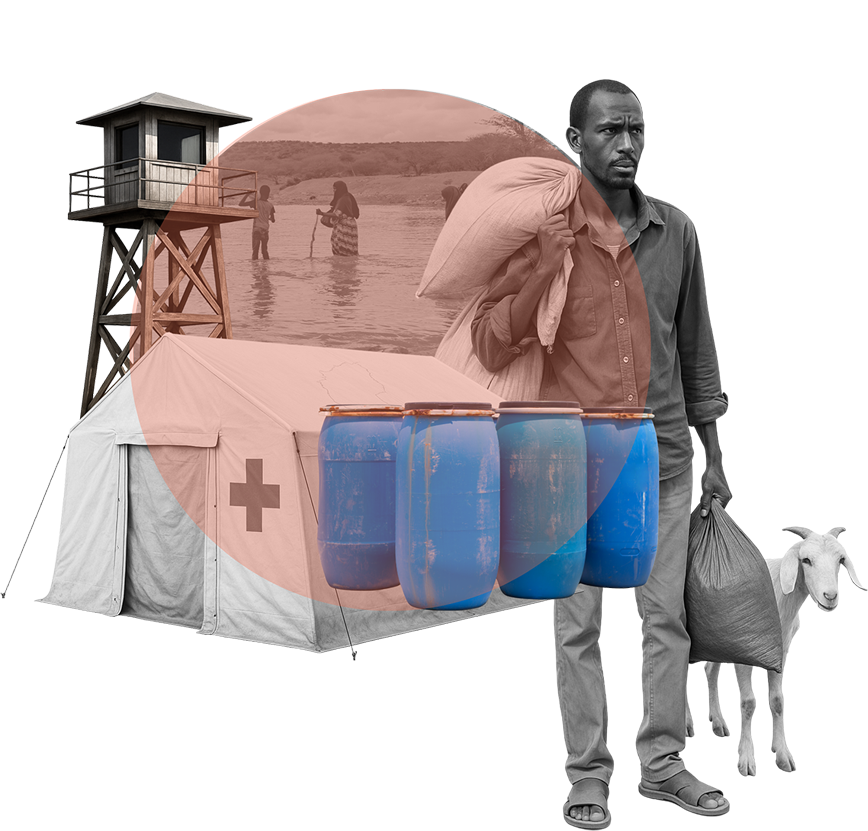
The past year has underscored the vulnerability of Sub-Saharan Africa’s water resources. Climate change has brought more frequent and severe floods and droughts, often overwhelming the capacity of governments and institutions to respond. The Horn of Africa and East Africa, for example, have faced devastating floods after years of water scarcity, with South Sudan experiencing intensified humanitarian crises from both flooding and conflict-driven displacement. More than 576,000 refugees have entered South Sudan, and 2 million people have been internally displaced, straining already limited water infrastructure and fragmented management systems.
In West Africa, rivers in Nigeria are drying up, threatening the livelihoods of smallholder farmers who produce the vast majority of the country’s food. Southern Africa continues to grapple with drought shocks, with Zambia’s severe drought affecting nearly 10 million people and causing widespread displacement and diminished crop yields. These pressures highlight the urgent need for robust water resources management and cooperation across borders.
Strengthening Cooperation Amid Fragility
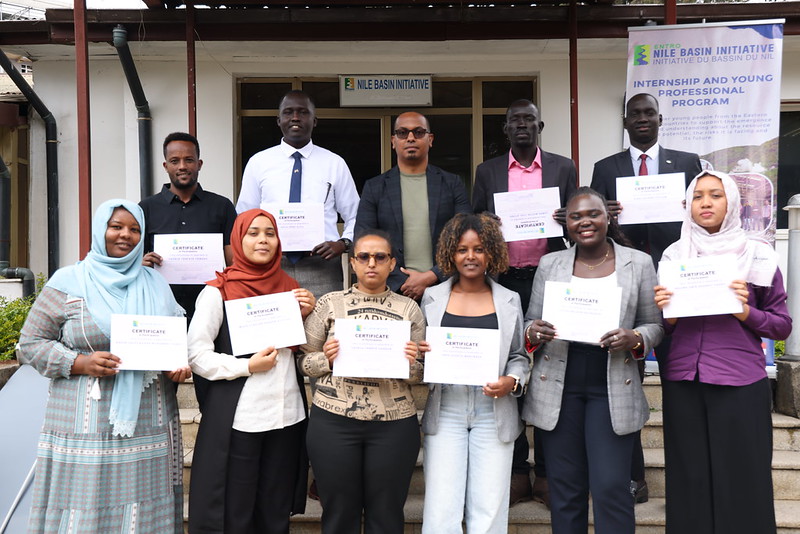
Transboundary water risks often exceed the adaptive capacity of individual countries, fueling further fragility and conflict. CIWA’s work is crucial in these contexts, providing platforms for dialogue and information sharing that help reduce cross-country tensions. Regional basin organizations, supported by CIWA, have enabled sustained engagement even amid volatile circumstances. For example, despite strained political relations, Burundi, Tanzania, and Rwanda continued to participate in meetings of the Nile Basin Initiative.
CIWA is also addressing South Sudan’s urgent barriers to sustainable development by assessing climate resilience and strengthening interventions for refugees and host communities. The launch of the Nile Basin Flash Flood Early Warning System (NB-FFEWS), which became fully operational in FY25, marks a significant step forward, offering essential tools for flood preparedness and response in South Sudan and other Nile countries.
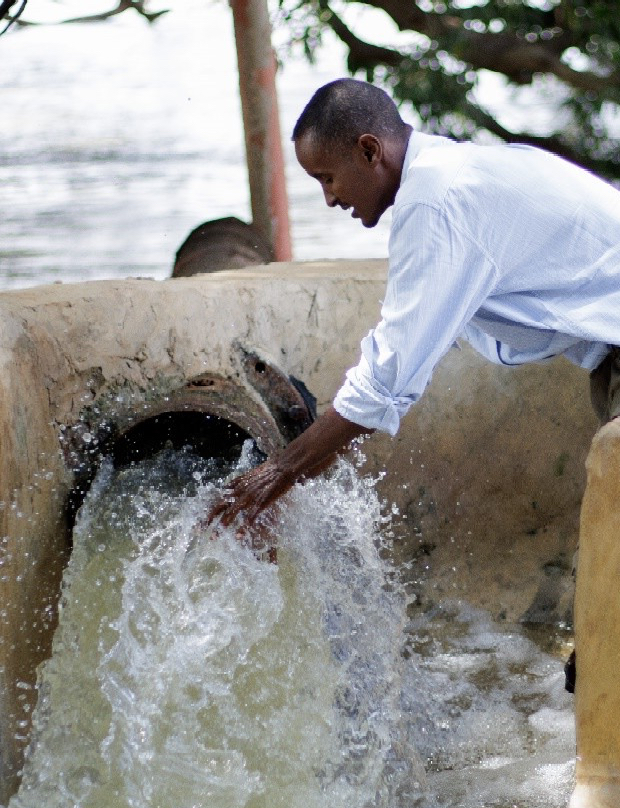
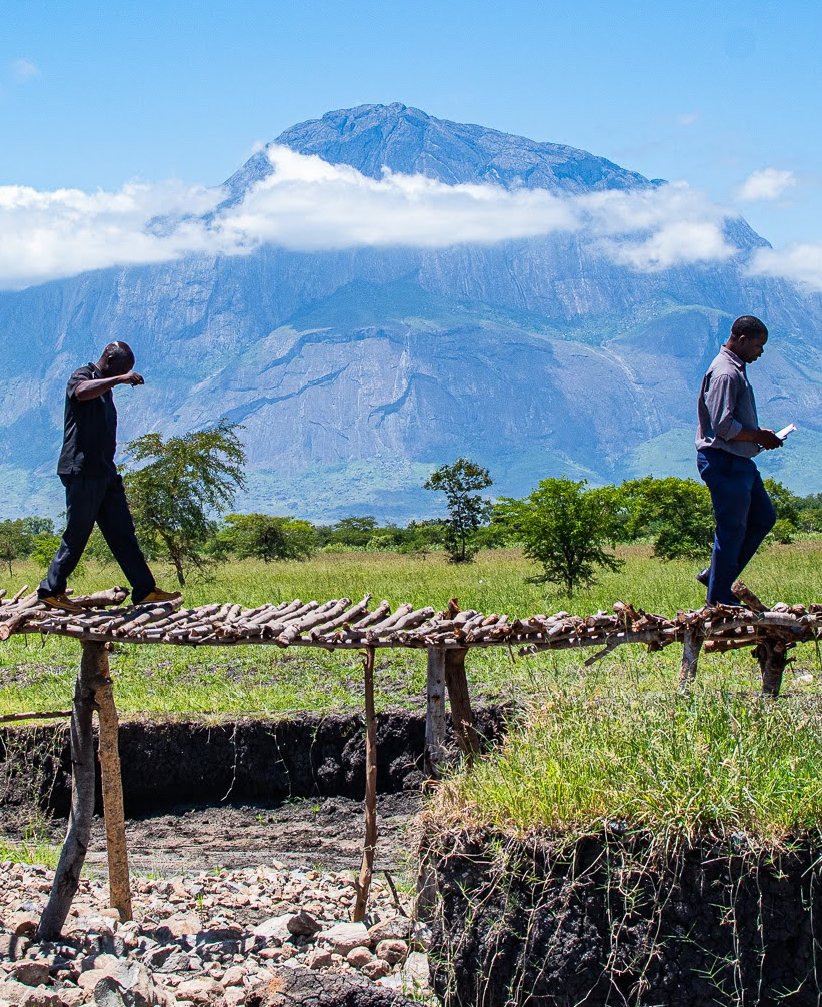
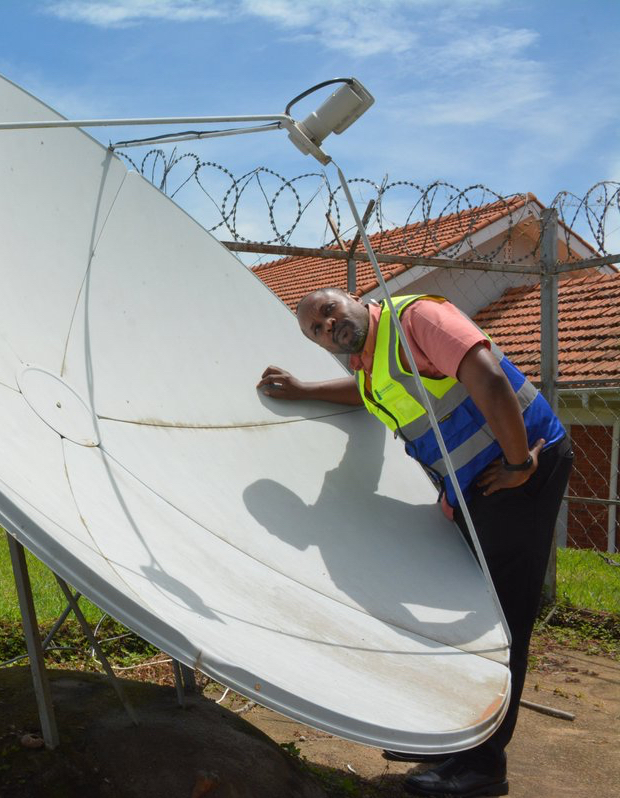
Empowered Communities,
Secure Waters,
Resilient Livelihoods
Empowering Communities and Civil Society
As FY25 drew to a close, CIWA and the Nile Basin Discourse launched the Nile Civil Society for Climate Resilience project. This initiative provides a platform for citizen engagement in water investment decisions and riparian dialogue, promoting climate risk management and resilience-building strategies. By working with communities to generate citizen data on water and climate change impacts, the project aims to inform national and transboundary policies and foster local ownership of climate resilience measures.
Building Transboundary Frameworks and Enhancing Water Security for Long-Term Cooperation
CIWA’s technical assistance extends to the Regional Working Group of the Senegal-Mauritania Aquifer Basin (SMAB), supporting a joint vision and program for long-term cooperation. The Gambia, Guinea-Bissau, Mauritania, and Senegal are expected to sign an agreement on joint management of the SMAB at the United Nations Water Conference in December 2026, a milestone for regional water security.
CIWA has informed the preparation of the World Bank’s regional water security and cooperation program, Development, Resilience, and Valorization of Water in West Africa. This program will include the Senegal and Niger River basins and key transboundary aquifers, supporting studies on navigation, irrigation, and nature-based solutions (NBS) to protect and enhance water resources. CIWA’s analytical work in the Sahel is helping identify locations for NBS and regenerative agriculture, increasing water storage and supporting biodiversity.
Water’s Impact on Livelihoods and Economies
Seventy-nine percent of jobs in Africa’s low-income countries depend on water, and the continent has the highest share of poor people living within transboundary river basins or aquifers. Erratic rainfall and rising temperatures disrupt agricultural cycles and reduce water availability, with profound impacts on food security and economic growth. The water sector is increasingly recognizing the importance of both “blue” water (rivers, lakes, aquifers) and “green” water (soil, plants, forests) in sustaining livelihoods and economies.
In FY25, the World Bank and CIWA launched a flagship Pan-African study to define how atmospheric water affects basins and countries, identifying actions needed to better manage the hydrological cycle. This work will help leverage transboundary water resources management for resilient and inclusive growth.