


How to spur male leaders to empower women in water institutions
Posted in : Blog on 3 March 2026
It’s no secret that, in Africa, water resources management institutions are strongly patriarchal. They are typically run by men. Men make the decisions, and women must fight to make their voices heard. And when they do speak up, sometimes they are squelched.
I know, because I’ve seen it in action in the water institutions where I worked. Gender inequality in water organizations is one part deeply-seated patriarchal attitudes and one part structural complexity with a dash of hierarchical approaches to management. These institutions are characterized by a lack of flexibility in governance undergirded by rigid social and gender norms.
But I’ve also seen emerging changes in attitudes about gender roles in water management and even some steps taken to mainstream gender as an entry point for women’s empowerment at local, subnational, and national levels. These steps are commendable. One example is the formation of Water Committees with equal numbers of women and men who are ensuring that gender considerations are embedded in national water policy formulations and consultations.
What gender equality is—and is not
I’ve been working on gender issues for nearly two decades, and I’ve learned that gender equality is not only about how many women are in the room. It’s also about changing the social norms that keep women oppressed and silent. It’s about making sure that women can speak up and act with self-determination. And it’s about reforming institutions and policies to create spaces for men and women to work together collaboratively and as equals.
The institutional journey to move from talk to action on women’s empowerment in transboundary water resources must begin with leadership readiness and flexibility, which then allow space for developing actionable SMART plans—plans that are specific, measurable, achievable, relevant, and time-bound—in the context of institutions that are committed to equality and inclusion. A broad range of other tools can also shape the transformation, particularly practitioner guidance about initiating and updating gender mainstreaming in the workplace and programs.
Some pockets of progress
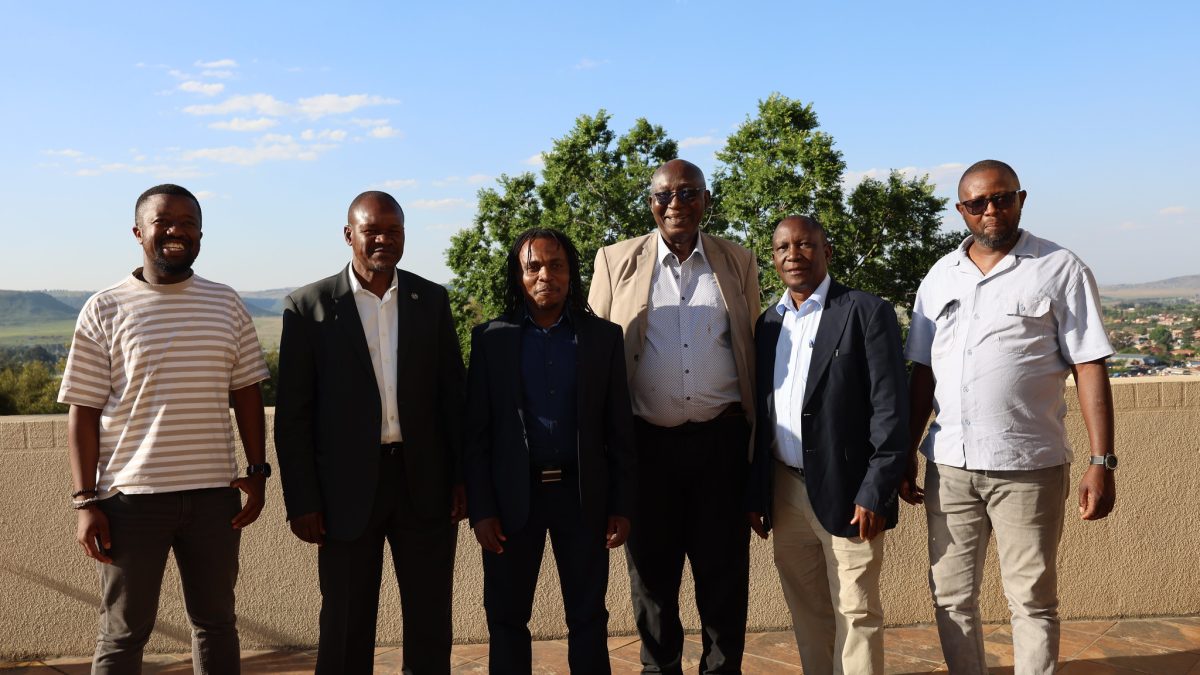
Some promising initiatives are having an impact on the region. The Male Champions for Women’s Empowerment, supported by the World Bank’s Cooperation in International Waters in Africa (CIWA) program, is a unique initiative that promotes a culture of transformative change, learning, and iterative adjustments to position women in strategic roles across institutions. Since its establishment in 2023, the initiative has sparked reviews of frameworks and tools for engendering decision support systems that include women in regional basin organizations, with pockets of progress, including Male Champions planning, sharing, and learning together as a community and regular exchanges on promising behavioral shifts.
The initiative’s online learning days and co-hosted learning events with such organizations as Women in Water Diplomacy, Equal Aqua—the World Bank’s platform that supports gender diversity in water sector jobs, and WaterNet—a regional network of university departments and research and training institutes specializing in water—have been important. They have helped catalyze progress at the regional river basin organizations in which some Male Champions work.
As a community of 28 members, we Male Champions underscore that narratives and policies that block gender transformation in the water community must not be permanent barriers.
Emerging lessons that enrich the collaboration include :
- Leadership: There can be no substitute for leadership by male decision makers in accelerating policy-to-action on the road to empowering women in water resources management from the grassroots to transboundary levels.
- Innovation and collaborative learning: Institutions should consistently foster innovation and share the resulting successes, even if incremental. To demonstrate accountability for equity and inclusion, institutions might consider embracing women-led dialogues to learn directly from women about what they consider to be meaningful changes.
- Intentional Learning: Learning and cross-learning are not naturally embedded in institutions; they require nurturing to safeguard progress and incentivize frontline women (and men) willing to take gender equality processes forward.
- Regular review of influences on gender equality: Periodically mapping intersecting factors that can influence the voices of women within institutions are critical ingredients to be tracked in system change.
The Male Champions for Women’s Empowerment initiative has demonstrated how a critical mass of men pushing for transformative change can progressively grow into a visible and determined movement. The initiative continues to refine its strategic direction, share knowledge, and join hands with like-minded communities to create desired changes.